
|
| Home :: Herbalist :: Orchardist :: Family :: Farm |
|
 |
|
|
Apple Growing at Heartsong Farm!Sharing what we know about fruit trees in order to produce a successful organic crop is one of Michael's passions. Check out our Organic Orcharding portal page for insights and humorous reality checks in working with our tree friends in the months ahead. For those who would like a resource you can hold in your hands, check out Michael's book: The Apple Grower: A Guide for the Organic Orchardist. Now we invite you to learn more about our orchard here in the mountains of northern New Hampshire. . .
Lost Nation Orchard |
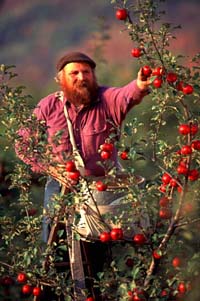
Michael Phillips picks organic apples at Lost Nation Orchard. (photo: ) |
Focusing our orcharding efforts back to our own land takes time. Trees grow relatively slow in this North Country of ours. The hillside orchard here in Lost Nation consists of 120 or so trees, mostly planted on MM.111 rootstock just five years ago. Only the seedling trees planted in the early 90s -- along with a trellised row of dwarf trees on M.9 in the middle garden -- are now bearing annually. We have commenced planting a new block of approximately 180 trees in a field recently reclaimed from encroaching forest. | ||
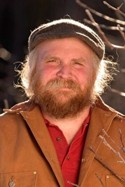
more from Michael Phillips: Organic Orcharding |
We're expecting a generous harvest of fruit as all these trees come into bearing in about five years time. Perhaps as many as 800 bushels a year. Which, as we sing in the traditional wassail song, will literally be a barn floor full. That will be a day when we can do a brisk trade in organic apples and cider. Our post'n'beam barn was designed with a small addition in mind to provide cold storage below and a cider press on the ground floor. Investment for any community orchard equally requires a patience measured in years. Finding a Way TogetherCommunities give far too little heed these days to the cultural side of agriculture. Experts say soon most American orchards will be bankrupt and we'll be getting our fruit from China. A community orchard represents a perfect opportunity to come together with mutual intent to live rightly on the land. Small farmers don't have all the answers. But we suspect that people who desire healthy food, great apple varieties, and rich cider can see this thing through. A Context That WorksAn acre of orchard that makes a decent living for organic growers needs to produce a modest 400 bushels of fruit, 50% of which can be sold at 40 dollars a bushel to appreciative and understanding customers. The other 50% of the crop needs to average 10 dollars a bushel, whether as cider, utility fruit, or value-added products. That amounts to ten thousand dollars gross per acre minimum, which in my mind makes a diversified farm effort that includes a small orchard feasible. I also would add that no one grower go much beyond 3 acres or so of fruit, particularly here in the East. These numbers should certainly be bandied about by us all, and yet here are the benchmarks for making organic orcharding economically feasible. | |
Local people who enjoy fresh, local apples need to take the above goals to heart. Paying a farmer $1 to $1.50 a pound for select organic apples is a healthy bargain. The true future of sustainable agriculture lies in the hands of people willing to invest in local skill and resources. Small is beautiful indeed! |
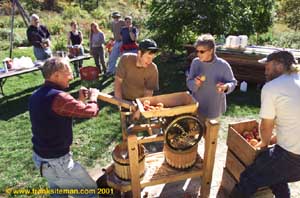
Michael Phillips and friends pressing cider from organic apples at Lost Nation Orchard. (photo: ) | |
Local Apples for Local Folk | ||
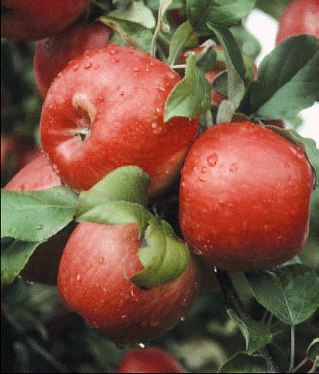
The words explosively crisp jump immediately to mind when biting into a Honeycrisp apple. |
Local people share in the fruits of our orchard by coming to the farm on announced harvest days. We are not a pick-your-own orchard but rather make tree-ripened fruit available for sale when varieties come ready. We invite customers at appointed times rather than having open hours every day. You get on our preferred customer list by simply letting Michael know of your love for especially tasty apples. Please understand that we are not set up to ship organic apples at this time. Someday we intend to be squeezing fresh cider and making such available on a shareholder basis. The trees will be producing sufficient quantities of apples for cider making purpose in another few years; we need investment help for a commercial cider press to do right by this increasing harvest. You can bet we'll give a holler when Lost Nation "Nectar of the Gods" is available once again! |
|
|
| Contact Michael today by email to be notified when local apples are available for sale at the farm. | |
North Country ApplesChoosing apple varieties that will produce annually in these New Hampshire mountains is one of the pleasures of the winter season. Here's a taste of some wonderful apples we will be harvesting from Lost Nation Orchard in the years ahead. The crisp Sweet Sixteen comes with a pleasing nutty flavor that will delight discriminating palates each and every year. The all-star from the Minnesota breeding program has to be Honeycrisp. This tangy sweet apple has been described as "explosively crisp" for good reason. |
 |
Spartan is a jewel of an apple in northern New England, and a far better keeper and shipper than its McIntosh parent. We find Macoun to be even more superb when grown organically. Redfree is probably our favorite disease-resistant variety so far but we're holding back on that judgment till Dayton and Florina start to bear. Pink Pearl offers up surprisingly bright pink flesh all the way to the core. | |
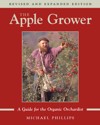 |
Certain seasons see Wealthy hanging longer on the tree and ripening to perfection. The red strain of Gravenstein has a delicate tartness with a snappy thin skin. Both Brock and Spencer are red and juicy, which comes as a surprise from progeny of Golden Delicious. Old-fashioned varieties that can't be missed include Ashmead's Kernel and Roxbury Russet. Lastly, did you know crispy Calville Blanc holds far more vitamin C than any orange? The Apple Grower:
| |
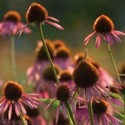
Families love to opt into our Earth Medicine Share for year-round healing purpose. |
The Betsy Lydon Slow Food Ark Usa Award Goes To Michael Phillips, Organic OrchardistBetsy Lydon devoted herself to sustaining small-scale food producers by encouraging local, seasonal eating and an appreciation for diversified farming. She helped found Mothers and Others for a Livable Planet, shortly after the 'Alar apple scare' of 1989, and served on the board of directors of the Organic Farming Research Foundation. In celebration of the life and work of this wonderful woman and mother, the first annual has been presented to Michael in recognition of his lifelong journey with the organic apple. "The real question in all this," said Michael in accepting the 2004 award at a dinner ceremony in New York City, "is how community-based orchards can succeed everywhere. Betsy would be pleased to know that because of the consciousness she helped spark, the fruits of small growers using ecological methods are being sought out. Artisanal ciders and freshly-picked apples that reflect regional heritage have become niche local markets, and to that I can only lift up my cup high and give three cheers!" | |
|
| Home :: Herbs :: Apples :: Contact Us :: Top |
|
recommend this page to a friend |
|
|
send website feedback to the Heartsong Farm webster website by last updated 7 February 2007 :: 9:19 am (Pacific) time this site generated with 100% recycled electrons! | |
website design and images copyright ©
website content copyright © Heartsong Farm all rights reserved, thank you | |